
As the days grow shorter and a chill settles in the air, there’s nothing I crave more than a meal that wraps me in warmth and comfort. For me, that often means a big, bubbling pot of rich stew. Today, I am so excited to share my absolute favorite cold-weather masterpiece: a hearty Beef Stew with Cheddar Herb Dumplings. This isn’t just any stew; it’s a symphony of deeply savory flavors, fork-tender beef, and a gravy so luscious it demands to be soaked up by the most irresistible, fluffy cheddar herb dumplings imaginable.
While it feels incredibly gourmet, I promise you, this recipe is surprisingly accessible for any home cook. I’m going to walk you through every step, ensuring you create a satisfying meal that brings joy to your kitchen and everyone gathered around your table. Get ready to experience the ultimate comfort food!
Table of Contents
Why You’ll Love My Beef Stew with Cheddar Herb Dumplings
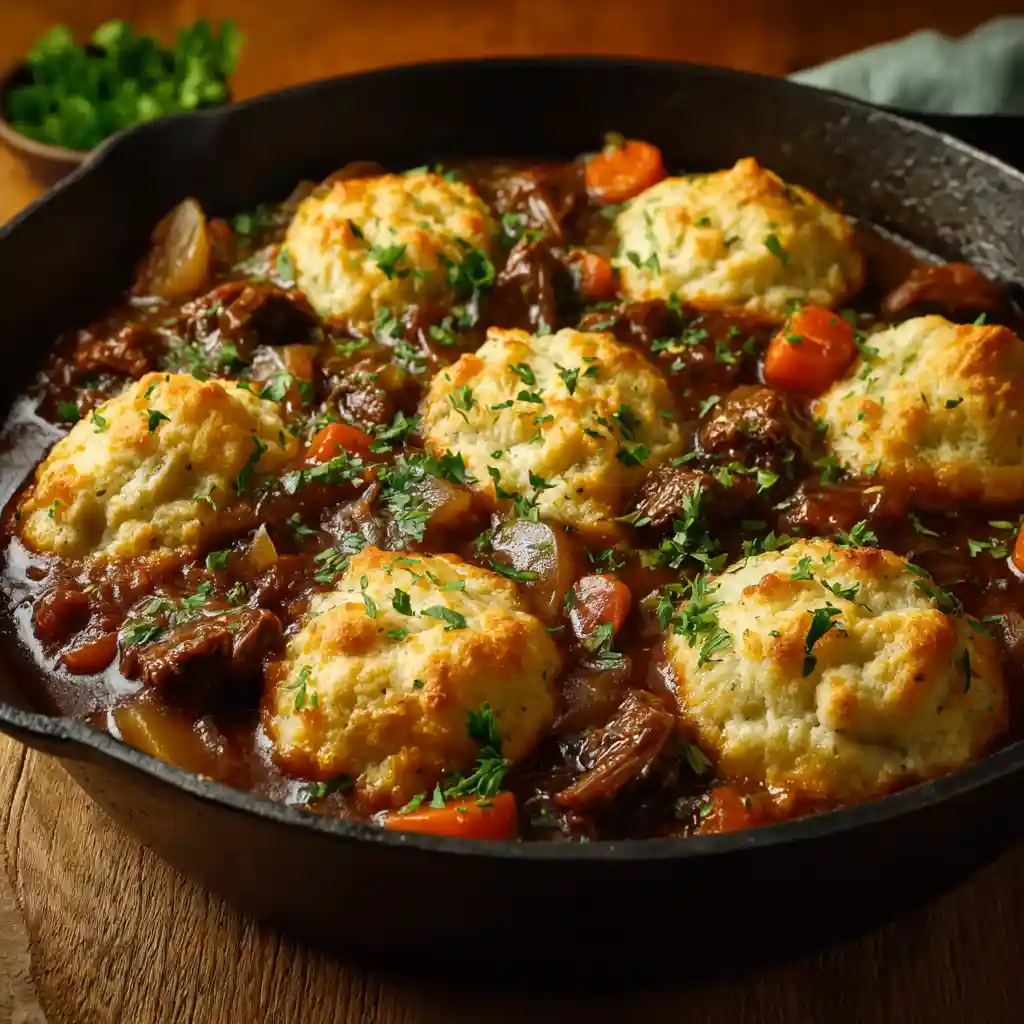
Imagine walking into your kitchen to the incredible aroma of slow-simmering beef, rich vegetables, and fragrant herbs. This stew is pure magic, a bowl of pure comfort that truly nourishes the soul. The beef cooks down until it is unbelievably tender, practically melting in your mouth, while the gravy, dark and complex, clings to every piece.
And those dumplings? They’re pillowy soft, infused with sharp cheddar and fresh herbs, ready to soak up all that deliciousness.
Here’s why I know you’ll fall in love with this specific Beef Stew with Cheddar Herb Dumplings recipe:
- Perfect Balance: I use a thoughtful combination of beef broth, chicken broth, apple cider vinegar, and Worcestershire sauce to achieve a complex flavor that is both deeply savory and wonderfully balanced with just the right touch of tang.
- Irresistible Dumpling Texture: My dumplings are light and fluffy, not dense or heavy. The self-rising flour and shortening work together to create a delicate crumb, while the Irish sharp cheddar adds a delightful savory bite.
- Complete Meal in One Pot: This dish truly has it all; tender meat, hearty vegetables, and satisfying dumplings, making it a complete and nourishing meal.
Essential Ingredients for Our Hearty Beef Stew with Cheddar Herb Dumplings
To create a truly exceptional Beef Stew with Cheddar Herb Dumplings, starting with high-quality ingredients makes all the difference. I find that selecting good cuts of meat and fresh produce really shines through in the final dish.
For the beef, I always opt for boneless beef chuck because it’s ideal for slow cooking; it breaks down beautifully, becoming incredibly tender and flavorful. Using shortening for the dumplings, as opposed to butter, helps create a lighter, flakier texture that I absolutely adore.
If you would like a tasty drink to pair with this dish, consider this Amazing Pumpkin Spice Hot Chocolate Recipe.
For the Rich Beef Stew
Here is exactly what I use to build those incredible layers of flavor:
- 2 pounds boneless beef chuck, chopped into bite-sized pieces
- Kosher salt and black pepper
- 4 sticks celery, chopped
- 3 large carrots, chopped
- 1 large onion, chopped
- 4 cloves garlic, minced
- 2 large potatoes or parsnips, diced
- 1 turnip, diced
- 3 ounces tomato paste
- 1 (12 ounce) bottle beef broth
- 2 tablespoons apple cider vinegar
- 4 cups low sodium chicken broth
- 2 tablespoons Worcestershire sauce
- 1 bay leaf
- 3 sprigs thyme
- 1 tablespoon cornstarch, or as needed
- ½ pound cremini mushrooms, sliced (optional)
- Chopped parsley
For the Fluffy Cheddar Herb Dumplings
These dumplings are a game-changer! Here are the ingredients I use for them:
- 1 ½ cups self-rising flour
- 1/2 teaspoon garlic powder
- 1/3 cup shortening
- 3/4 cup shredded Irish sharp cheddar
- 2/3 cup milk
- 2 tablespoons mixed fresh herbs such as parsley, chives, and thyme, chopped
Unlocking Flavor: Equipment for Your Beef Stew Journey
Having the right tools can truly elevate your cooking experience and the final result of your Beef Stew with Cheddar Herb Dumplings. While you don’t need a professional kitchen, a few key pieces of equipment make a world of difference for this recipe.
I rely heavily on a large, oven-safe, heavy-based pot or a high-walled sauté pan. A good Dutch oven, for instance, is a fantastic investment because its thick walls and heavy bottom ensure even heat distribution, which is crucial for browning the beef perfectly and allowing the stew to simmer gently without scorching.
The heat retention of a Dutch oven also means your stew stays hot longer, whether on the stove or once it’s transferred to the oven. A sturdy wooden spoon is also a must-have for scraping up all those delicious browned bits from the bottom of the pot, which is essential for building deep flavor. For another hearty recipe, check out these main-dishes.
How to Master Beef Stew with Cheddar Herb Dumplings: Step-by-Step
Making this Beef Stew with Cheddar Herb Dumplings is a labor of love, but every step is straightforward and incredibly rewarding. I promise you’ll feel like a culinary superstar once you present this to your family or friends.
Crafting the Robust Beef Stew
This is where all the magic happens and the flavors truly develop.
- First, I season the beef with salt and pepper and fry it in the rendered fat until browned on all sides. Then, I remove the beef from the pan and set it aside.
- In the same pot, I fry the onion, celery, and carrots until soft and fragrant, adding a little oil if necessary.
- I add garlic and fry for another 30 seconds. Then, I stir in the tomato paste.
- I pour in the beef broth, apple cider vinegar, and Worcestershire sauce. I allow it to come to a simmer and stir with a wooden spoon, scraping up the browned bits from the bottom of the pot.
- I add the beef back to the pot and pour in the chicken broth. I add the bay leaf and thyme.
- I reduce to a simmer and cover. I simmer for 1 1/2 hours. Then, I add the potatoes or parsnips and the turnip. I simmer for another ½ hour, or until the vegetables are tender.
- I remove the bay leaf and thyme branches. If the stew is still thin, I mix a tablespoon of cornstarch with a tablespoon of cold water to form a slurry. I mix the slurry into the stew and bring the mixture to a boil. I reduce to a simmer again, stirring occasionally, and add in the mushrooms if desired.
I cook for 10 minutes, uncovered, until the stew thickens and the mushrooms are cooked through.
Finally, I preheat the oven to 350°F.
Whipping Up the Fluffy Cheddar Herb Dumplings
These dumplings are the crown jewel of this dish, adding a wonderful textural contrast and cheesy goodness.
- I stir together the self-rising flour and garlic powder in a medium bowl. I cut in the shortening until the mixture resembles coarse crumbs. I stir in the cheddar cheese, then add the milk and stir until the dry ingredients are moistened.
- I make small balls with the dough and place them on top of the stew, leaving them room to expand; they grow a lot as they cook. I place the stew in the oven uncovered and bake until the dumplings are browned and cooked through, about 30 to 40 minutes.
- I garnish the stew with parsley and serve immediately.
Expert Tips for Beef Stew & Dumpling Perfection
Over the years, I’ve picked up a few tricks that truly elevate this Beef Stew with Cheddar Herb Dumplings from good to absolutely outstanding. These little details make a big difference!
For the stew, don’t rush the browning of your beef. This step is essential for developing deep, rich flavor. I make sure my pan is hot and I don’t overcrowd the pot, browning the beef in batches if necessary, until it has a beautiful, dark crust on all sides. Also, when I deglaze the pot with the broth and apple cider vinegar, I make sure to scrape up every last browned bit from the bottom; that’s pure flavor!
As for the dumplings, the key to their fluffiness is not to overmix the dough. Once the dry ingredients are just moistened by the milk, I stop stirring. Overmixing develops the gluten too much, leading to tough dumplings. I also make sure my milk and shortening are cold. This helps create pockets of steam during baking, making them light and airy.
Finally, resist the urge to peek during the initial baking; the steam is crucial for their rise!
Troubleshooting Common Stew & Dumpling Woes
Even the most seasoned home cooks encounter a snag now and then. Here are some common issues I’ve seen with Beef Stew with Cheddar Herb Dumplings and my go-to solutions.
- Tough Meat: This usually happens when the beef hasn’t had enough time to cook down. Stew beef, like chuck, needs low and slow cooking to become tender. If your meat is tough, simply continue simmering the stew, covered, for another 30 minutes to an hour, checking for tenderness. Resist the urge to crank up the heat; patience is key here.
- Overly Thin or Thick Gravy: If your gravy is too thin after simmering, the cornstarch slurry I mentioned is your best friend. Just remember to mix cornstarch with cold water before adding it to prevent lumps. If it’s too thick, you can always thin it out with a little extra beef or chicken broth until it reaches your desired consistency.
- Dumplings that Don’t Rise or Are Gummy: This often comes down to overmixing the dough or adding too much liquid. The dough should just come together, looking a bit shaggy, not smooth. Make sure your self-rising flour is fresh, as the leavening agents can lose potency over time. Also, don’t open the oven door too early, as the initial blast of steam is vital for their rise.
- Burnt Bits on the Bottom: This usually means the heat was too high during browning, or you didn’t stir frequently enough. When deglazing, pour in your liquid and use a wooden spoon to vigorously scrape all the browned bits (the “fond”) from the bottom. This prevents burning and adds incredible depth of flavor. If you get some bits sticking later during simmering, a gentle stir and ensuring your heat is truly low should help.
Substitutions & Variations for Your Beef Stew with Cheddar Herb Dumplings
One of the things I love about cooking is how adaptable recipes can be. In my Beef Stew with Cheddar Herb Dumplings, ingredients like apple cider vinegar and Worcestershire sauce play crucial roles: the vinegar adds a bright acidity that cuts through the richness of the beef, preventing the stew from feeling heavy, while the Worcestershire sauce provides a fantastic umami punch that deepens the savory notes.
Feel free to experiment with these substitutions and variations to make the dish truly your own!
For a sweet treat after your stew, why not try the Ultimate Pincone Truffles Recipe: Easy to Make!
Stew Variations & Flavor Boosters
| Ingredient/Component | Substitution/Variation | Flavor/Texture Impact |
|---|---|---|
| Guinness or Dark Beer | Stout or other dark ales | Adds a malty, slightly bitter, roasted depth of flavor; enhances richness. |
| Alcohol-Free Options | Beef broth, cranberry juice | Beef broth maintains savory base; cranberry juice adds a subtle fruitiness and tang without alcohol. |
| Vegetables | Sweet potatoes, kale, spinach | Sweet potatoes offer sweetness and different texture; leafy greens add earthiness and color, best added at the end. |
| Thickening | Flour roux | Creates a richer, glossier sauce with a different mouthfeel than cornstarch slurry. |
Creative Dumpling Swaps
| Ingredient | Substitution/Variation | Flavor/Texture Impact |
|---|---|---|
| Cheese Types | Sharp white cheddar, Gruyere, Parmesan | White cheddar offers a sharper bite; Gruyere provides nutty, complex notes; Parmesan adds salty umami. |
| Herbs | Rosemary, sage, dill | Rosemary offers piney notes; sage is earthy and peppery; dill provides a fresh, slightly anisy flavor. |
| Fat | Butter instead of shortening | Butter yields a richer, more tender dumpling but can sometimes be slightly less fluffy than shortening. |
| Flour | All-purpose flour | Requires adding 1.5 teaspoons baking powder and 1/4 teaspoon salt per cup of all-purpose flour for rise. |
Dietary Adaptations
| Dietary Need | Adaptation for Stew | Adaptation for Dumplings |
|---|---|---|
| Gluten-Free | Thicken with cornstarch slurry (naturally GF) or GF flour roux. | Use a gluten-free all-purpose flour blend (ensure it contains xanthan gum for structure). |
| Dairy-Free | Naturally dairy-free if no dairy-based broth is used. | Use a plant-based milk (e.g., almond, soy) and a dairy-free shredded cheese alternative. |
Alternative Cooking Methods: From Stovetop to Slow Cooker
While my recipe is designed for the stovetop and oven, I know many of you love the convenience of other cooking methods. This Beef Stew with Cheddar Herb Dumplings is quite versatile. Each method has its own benefits and slight adjustments that I’ll walk you through.
The stovetop-to-oven method creates a beautiful depth of flavor through initial browning and controlled simmering, while a slow cooker offers unparalleled hands-off convenience.
Making Beef Stew in a Slow Cooker
Adapting this Beef Stew with Cheddar Herb Dumplings for a slow cooker is simple, and it’s a fantastic option for busy days. You still get all that rich flavor with minimal effort.
First, I still recommend browning your beef chuck in a separate pan on the stovetop. This step is crucial for flavor development that a slow cooker simply can’t achieve on its own. After browning, transfer the browned beef, and rendered fat to your slow cooker.
Next, sauté the onion, celery, carrots, and garlic in the same pan, then stir in the tomato paste for a minute before transferring everything to the slow cooker. Pour in the beef broth, apple cider vinegar, and Worcestershire sauce, scraping up any browned bits from the pan to add to the slow cooker. Add the chicken broth, bay leaf, and thyme.
For liquid adjustments, slow cookers retain a lot of moisture, so I would reduce the chicken broth by about ½ to 1 cup, depending on how thick you prefer your stew.
Cook on low for 6-8 hours or on high for 3-4 hours, until the beef is fork-tender. About 30-45 minutes before the end of the cooking time, stir in the diced potatoes or parsnips, turnip, and optional mushrooms. When the vegetables are tender, remove the bay leaf and thyme branches. If you want to thicken the stew, you can whisk in a cornstarch slurry directly into the hot stew in the slow cooker and cook for an additional 15-20 minutes on high.
To add the dumplings, remove the slow cooker pot from the unit, or if your slow cooker is oven-safe, transfer it to a preheated 350°F oven. Prepare the dumpling dough as instructed, form small balls, and place them directly on top of the hot stew. Bake uncovered in the oven for 30-40 minutes, or until the dumplings are golden brown and cooked through. Garnish with parsley and serve.
Make-Ahead & Meal Prep Strategies for Busy Days
Life gets busy, and having a delicious, comforting meal like Beef Stew with Cheddar Herb Dumplings ready to go can be a lifesaver. I love to prepare components in advance, making weeknight dinners a breeze.
You can completely cook the stew portion ahead of time. After it has cooled, I store it in an airtight container in the refrigerator for up to 3-4 days. The flavors actually deepen beautifully overnight! When you’re ready to serve, gently reheat the stew on the stovetop until simmering, then proceed with making and baking the fresh dumplings on top.
For freezing, the stew freezes wonderfully without the dumplings. I let the stew cool completely, then transfer it to freezer-safe containers or bags, leaving a little headspace. It will keep in the freezer for up to 3 months. When I want to enjoy it, I thaw it overnight in the refrigerator, then reheat it on the stovetop, and prepare fresh dumplings to bake on top.
I typically do not recommend freezing the dumplings on the stew, as they can become mushy upon reheating. If you wish to freeze dumplings separately, you can do so cooked or uncooked. For uncooked dumplings, place them on a parchment-lined baking sheet and freeze until solid, then transfer to a freezer-safe bag.
Bake them from frozen on top of the reheated stew, adding about 10-15 minutes to the baking time. Cooked dumplings can also be frozen, then thawed and gently reheated in the microwave or oven until warmed through.
Storage & Reheating: Enjoying Your Beef Stew with Dumplings Later
You’ve put so much love into making this Beef Stew with Cheddar Herb Dumplings, so I want to ensure you enjoy every last bite, even days later! Proper storage and reheating are key to maintaining the quality and deliciousness.
Once the stew and dumplings have cooled, I transfer them to shallow, airtight containers. This helps them cool down quickly and prevents bacterial growth. The stew and dumplings will last beautifully in the refrigerator for 3-4 days.
When it comes to reheating, you have a few options:
- Microwave: For individual portions, this is the quickest method. I place a serving in a microwave-safe bowl, cover it loosely, and heat on medium power, stirring occasionally, until heated through. Be gentle, as microwave reheating can sometimes make dumplings a bit chewier.
- Stovetop: For larger portions of just the stew (or if you’ve stored stew and dumplings separately), I gently reheat it in a pot over low to medium heat, stirring frequently, until it’s simmering and warmed through. If the stew has thickened too much, I add a splash of beef broth or water.
- Oven: This is my preferred method for reheating stew with dumplings to best preserve their texture. I preheat my oven to 300°F (150°C). I place the stew and dumplings in an oven-safe dish, cover it loosely with foil, and bake for 20-30 minutes, or until thoroughly heated. The foil helps prevent the dumplings from drying out while the oven gently warms everything.
Remember, the goal is to reheat without overcooking, especially the dumplings, to keep them from getting mushy.
Serving Suggestions & Perfect Pairings
This Beef Stew with Cheddar Herb Dumplings is a meal in itself, but I always love thinking about what sides and drinks would truly complement its rich flavors and comforting nature. I aim for contrasts in texture and harmonies in taste.
For side dishes, I often keep it simple. A crisp, fresh green salad with a bright vinaigrette offers a lovely counterpoint to the richness of the stew. I also adore serving it with some crusty sourdough bread, perfect for mopping up any leftover gravy that the dumplings might miss. Another excellent option is a side of steamed green beans or asparagus, lightly seasoned, for a touch of freshness.
When it comes to beverages, a sparkling cider or even a simple unsweetened iced tea can be wonderfully refreshing. Also, consider this homemade cranberry sauce recipe to top it off.
Finally, for garnishes, a sprinkling of fresh chopped parsley over the top adds a pop of color and a fresh, herbaceous note that brightens the entire dish. Sometimes, I’ll even add a little extra shredded cheddar right before serving for an indulgent touch.
FAQs About Beef Stew with Cheddar Herb Dumplings
I often get questions from home cooks about their culinary adventures, and I love helping! Here are some common questions I hear about making Beef Stew with Cheddar Herb Dumplings.
What’s the best cut of beef for stew?
I always recommend boneless beef chuck. It has enough fat and connective tissue to become incredibly tender and flavorful during the long, slow cooking process, giving you that melt-in-your-mouth texture.
Can I substitute other vegetables in the stew?
Absolutely! I often encourage using what you have on hand. Sweet potatoes, butternut squash, or even green beans (added towards the end of cooking) would make wonderful additions. Just be mindful of their cooking times; harder root vegetables go in earlier, softer ones later.
How can I adjust the spice level of the stew?
This stew isn’t spicy, but if you want a little kick, I suggest adding a pinch of red pepper flakes with the garlic or a dash of hot sauce right before serving. You can always adjust to your taste!
My stew gravy isn’t as thick as I’d like; what can I do?
If it’s still too thin after simmering, you can use a cornstarch slurry. Mix one tablespoon of cornstarch with one tablespoon of cold water, then stir it into the simmering stew. Bring it back to a boil, then reduce to a simmer and stir for a few minutes until it thickens. If you prefer a richer thickening, you could make a roux with butter and flour in a separate pan, then whisk it into the stew.
Can I make the dumplings gluten-free?
Yes, you can! I would suggest using a good quality all-purpose gluten-free flour blend. You might need to adjust the liquid slightly, as gluten-free flours can absorb liquids differently. Some blends already contain leavening, but if not, you’d need to add baking powder and salt as you would with regular all-purpose flour.
My dumplings were hard; what went wrong?
This usually happens if the dough was overmixed, developing too much gluten, or if the stew wasn’t hot enough when the dumplings were added, preventing them from steaming properly. Make sure to mix the dough just until combined, and place the dumplings onto a simmering hot stew.
To further examine if you are reaching the correct nutrition for beef stew it is important to follow the recipe as stated.
Conclusion: Your New Favorite Comfort Food Awaits!
There’s something truly special about a dish that not only satisfies your hunger but also warms your spirit. My Beef Stew with Cheddar Herb Dumplings is that dish for me; it’s a taste of home, a hug in a bowl, and a recipe I’m so incredibly proud to share with you. The tender beef, the rich gravy, and those fluffy, cheesy dumplings create a culinary experience that’s simply unforgettable.
I truly hope this recipe brings as much joy and comfort to your kitchen as it does to mine. I believe cooking from the heart is the best way to create memories around the table, and this stew is perfect for just that. So, gather your ingredients, take your time, and enjoy the process of creating something truly delicious.
I can’t wait to hear how your stew turns out! Please leave a comment below with your thoughts, questions, or any wonderful variations you try. Don’t forget to share your amazing creations and tag Delish Map on social media; I love seeing what you’re cooking up! Happy cooking, my friends!
Don’t miss out on our latest kitchen creations, follow us on Pinterest and fill your feed with delicious inspiration!

Ultimate Comfort Beef Stew with Cheddar Dumplings
Ingredients
Equipment
Method
- First, I season the beef with salt and pepper and fry it in the rendered fat until browned on all sides. Then, I remove the beef from the pan and set it aside.
- In the same pot, I fry the onion, celery, and carrots until soft and fragrant, adding a little oil if necessary.
- I add garlic and fry for another 30 seconds. Then, I stir in the tomato paste.
- I pour in the beef broth, apple cider vinegar, and Worcestershire sauce. I allow it to come to a simmer and stir with a wooden spoon, scraping up the browned bits from the bottom of the pot.
- I add the beef back to the pot and pour in the chicken broth. I add the bay leaf and thyme.
- I reduce to a simmer and cover. I simmer for 1 1/2 hours. Then, I add the potatoes or parsnips and the turnip. I simmer for another ½ hour, or until the vegetables are tender.
- I remove the bay leaf and thyme branches. If the stew is still thin, I mix a tablespoon of cornstarch with a tablespoon of cold water to form a slurry. I mix the slurry into the stew and bring the mixture to a boil. I reduce to a simmer again, stirring occasionally, and add in the mushrooms if desired. I cook for 10 minutes, uncovered, until the stew thickens and the mushrooms are cooked through. Finally, I preheat the oven to 350°F.
- I stir together the self-rising flour and garlic powder in a medium bowl. I cut in the shortening until the mixture resembles coarse crumbs. I stir in the cheddar cheese, then add the milk and stir until the dry ingredients are moistened.
- I make small balls with the dough and place them on top of the stew, leaving them room to expand; they grow a lot as they cook. I place the stew in the oven uncovered and bake until the dumplings are browned and cooked through, about 30 to 40 minutes.
- I garnish the stew with parsley and serve immediately.
Notes
Tried this recipe?
Let us know how it was!Printable Recipe Card
Want just the essential recipe details without scrolling through the article? Get our printable recipe card with just the ingredients and instructions.