
I’ve always loved pizza. From the first time I saw my grandma making it in her tiny Brooklyn kitchen, I was hooked. Now, I want to share my go-to pizza dough recipe with you, so you can create amazing pizzas right in your own kitchen.
This recipe takes about an hour from start to finish (including rising time), and I promise it’s worth every minute!
Table of Contents
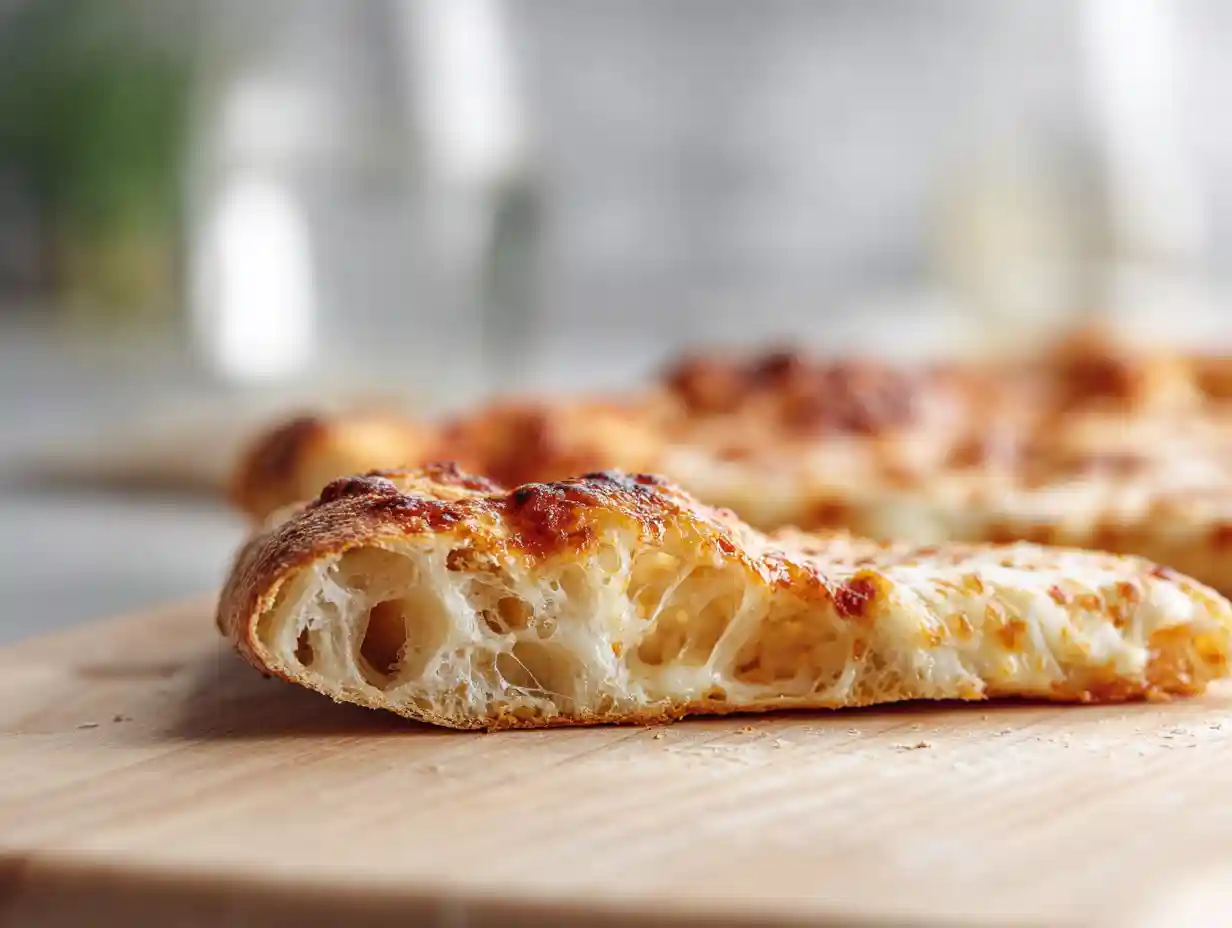

The Ultimate and Easy Pizza Dough Recipe
Ingredients
Equipment
Method
- In a large bowl, combine 1 cup (125g) of flour, instant yeast, sugar, and salt. If desired, add garlic powder and dried basil at this point as well.
- Add 2 Tablespoons olive oil and ¾ cup warm water and use a wooden spoon to stir very well.
- Gradually add another 1 cup (125g) of flour. Add any additional flour as needed (I’ve found that sometimes I need as much as an additional ⅓ cup), stirring until the dough is forming into a cohesive, elastic ball and is beginning to pull away from the sides of the bowl. The dough will still be slightly sticky but still should be manageable with your hands. Check out the video above the recipe for a visual cue.
- Drizzle a separate, large, clean bowl generously with olive oil and use a pastry brush to brush up the sides of the bowl.
- Lightly dust your hands with flour and form your pizza dough into a round ball. Transfer to your olive oil-brushed bowl. Use your hands to roll the pizza dough along the inside of the bowl until it is coated in olive oil, then cover the bowl tightly with plastic wrap and place it in a warm place.
- Allow dough to rise for 30 minutes or until doubled in size. If you intend to bake this dough into a pizza, I also recommend preheating your oven to 425F (215C) at this point so that it will have reached temperature once your pizza is ready to bake.
- Once the dough has risen, use your hands to gently deflate it and transfer to a lightly floured surface and knead briefly until smooth (about 3-5 times).
- Use either your hands or a rolling pin to work the dough into 12″ circle.
- Transfer dough to a parchment paper lined pizza pan and either pinch the edges or fold them over to form a crust.
- Drizzle additional olive oil (about a Tablespoon) over the top of the pizza and use your pastry brush to brush the entire surface of the pizza (including the crust) with olive oil.
- Use a fork to poke holes all over the center of the pizza to keep the dough from bubbling up in the oven.
- Add desired toppings (see the notes for a link to my favorite, 5-minute pizza sauce recipe!) and bake in a 425F (215C) preheated oven for 13-15 minutes or until toppings are golden brown. Slice and serve.
Nutrition
Notes
Tried this recipe?
Let us know how it was!Why You’ll Love This Pizza Dough Recipe

- Quick Rise: This recipe features a fast 30-minute rise, perfect for those nights when you need pizza ASAP.
- Beginner-Friendly: The detailed instructions make this recipe a breeze, even if you’re new to making dough.
- Simple Ingredients: I use common ingredients that you probably already have in your pantry.
- Customizable: It’s easy to tweak this recipe with different herbs and spices for a flavor that’s all your own.
Understanding the Key Ingredients for Perfect Pizza Dough
Flour is the foundation of our dough, providing structure and texture. There are various types, each affecting the final product differently. Yeast is what makes the dough rise. I prefer instant yeast for its convenience; just add it directly to the flour. Active dry yeast also works, but you’ll need to proof it first. To proof active dry yeast, dissolve it in warm water with a pinch of sugar and let it sit for 5-10 minutes until foamy. Fresh yeast is another option, though less common in home kitchens.
Sugar feeds the yeast, helping it to activate and rise properly, while salt controls the yeast’s activity and adds flavor. Don’t skip it! Olive oil adds flavor and richness to the dough, as well as contributing to a softer crust. For the best flavor, I always use a good-quality extra virgin olive oil. Water hydrates the flour, bringing the dough together.
Make sure it’s warm, not hot, to activate the yeast without killing it. Some people swear by Italian “00” flour, which you can often find at specialty stores or online.
Speaking of excellent baked goods, you might also like this The Best No-Knead Sourdough Focaccia Recipe.
Choosing the Right Flour for Your Pizza Dough
All-purpose flour is a great, versatile option that works well for pizza dough. It’s readily available and provides a good balance of gluten development. Bread flour has a higher protein content, which results in more gluten development. This leads to a chewier, more robust crust. Tipo 00 flour is finely ground Italian flour that creates a very soft and pliable dough. It’s ideal for Neapolitan-style pizzas with a thin, airy crust.
The Illinois Extension offers a recipe using whole wheat flaxseed, providing a nutritious alternative.
Gluten development is the process where proteins in the flour form elastic strands that give the dough its structure and chewiness. To achieve optimal gluten development, knead the dough thoroughly until it becomes smooth and elastic. Be careful not to over-knead the dough, as this can result in a tough crust. If you under-knead, the dough will be weak and won’t rise properly.
If you want something sweet after your pizza, you might want to check out some options in our treats and drinks category.
Pizza Dough Ingredients
- 2-2 ⅓ cups all-purpose flour OR bread flour¹ (divided (250-295g))
- 1 packet instant yeast² ((2 ¼ teaspoon))
- 1 ½ teaspoons sugar
- ¾ teaspoon salt
- ⅛-¼ teaspoon garlic powder and/or dried basil leaves (optional)
- 2 Tablespoons olive oil (+ additional )
- ¾ cup warm water³ ((175ml))
Step-by-Step Instructions for Homemade Pizza Dough
- In a large bowl, combine 1 cup (125g) of flour, instant yeast, sugar, and salt. If desired, add garlic powder and dried basil at this point as well.
- Add 2 Tablespoons olive oil and ¾ cup warm water and use a wooden spoon to stir very well.
- Gradually add another 1 cup (125g) of flour. Add any additional flour as needed (I’ve found that sometimes I need as much as an additional ⅓ cup), stirring until the dough is forming into a cohesive, elastic ball and is beginning to pull away from the sides of the bowl. The dough will still be slightly sticky but still should be manageable with your hands. Check out the video above the recipe for a visual cue.
- Drizzle a separate, large, clean bowl generously with olive oil and use a pastry brush to brush up the sides of the bowl.
- Lightly dust your hands with flour and form your pizza dough into a round ball. Transfer to your olive oil-brushed bowl. Use your hands to roll the pizza dough along the inside of the bowl until it is coated in olive oil, then cover the bowl tightly with plastic wrap and place it in a warm place.
- Allow dough to rise for 30 minutes or until doubled in size. If you intend to bake this dough into a pizza, I also recommend preheating your oven to 425F (215C) at this point so that it will have reached temperature once your pizza is ready to bake.
- Once the dough has risen, use your hands to gently deflate it and transfer to a lightly floured surface and knead briefly until smooth (about 3-5 times).
- Use either your hands or a rolling pin to work the dough into 12″ circle.
- Transfer dough to a parchment paper lined pizza pan and either pinch the edges or fold them over to form a crust.
- Drizzle additional olive oil (about a Tablespoon) over the top of the pizza and use your pastry brush to brush the entire surface of the pizza (including the crust) with olive oil.
- Use a fork to poke holes all over the center of the pizza to keep the dough from bubbling up in the oven.
- Add desired toppings (see the notes for a link to my favorite, 5-minute pizza sauce recipe!) and bake in a 425F (215C) preheated oven for 13-15 minutes or until toppings are golden brown. Slice and serve.
Mastering the Art of Kneading Pizza Dough
Kneading is crucial for developing the gluten in your pizza dough, giving it that perfect chewy texture. One popular technique is the “slap and fold” method. To do this, slap the dough firmly onto a clean surface, then fold it in half towards you.
Rotate the dough 45 degrees and repeat. This method helps to develop gluten quickly and efficiently. Proper kneading is essential for creating a strong, elastic dough that will rise properly and hold its shape.
Rising and Proofing Your Pizza Dough: A Guide to Perfection
A warm environment is essential for rising and proofing your pizza dough. I like to place my dough in a warm spot in my kitchen, like near the stove or in a slightly warmed oven. For a more complex flavor, you can explore pre-ferments like autolyse, poolish, or biga. Cold fermentation, where you let the dough rise slowly in the refrigerator for 24-72 hours, can also enhance the flavor and texture of your crust.
Tips for Stretching and Shaping Your Pizza Dough
When stretching your pizza dough, start by gently pressing it into a flat circle. Then, use your fingertips to stretch the dough outward, rotating it as you go. Be careful not to tear the dough; work slowly and gently. If you prefer using a rolling pin, roll the dough from the center outward, turning it frequently to maintain a circular shape.
Baking Your Pizza: Achieving the Perfect Crust
For the perfect crust, I recommend using a pizza stone or steel. Preheat your oven to a high temperature, around 450-500°F (232-260°C), with the stone or steel inside. The high heat will create a crispy, golden-brown crust.
For an extra boost of color, you can use the broiler for the last minute of baking, but watch carefully to prevent burning. The science behind this is that the stone or steel retains heat, which is then transferred to the dough, resulting in even cooking and a crispy texture.
Pizza Dough Variations and Flavor Ideas
There are endless ways to customize your pizza dough with different herbs and spices. Try adding a mix of Italian herbs like oregano, basil, and thyme for a classic flavor. You can also experiment with flavored oils, such as garlic-infused or chili-infused olive oil, for an extra layer of flavor.
For a bolder taste, try incorporating roasted garlic or sun-dried tomatoes directly into the dough.
Storing and Freezing Pizza Dough for Later
Leftover pizza dough can be stored in the refrigerator for up to 2-3 days. Wrap it tightly in plastic wrap or place it in an airtight container to prevent it from drying out. For longer storage, you can freeze the dough for up to 2-3 months.
To freeze, wrap the dough tightly in plastic wrap, then place it in a freezer bag. Thaw the frozen dough in the refrigerator overnight before using.
Troubleshooting Common Pizza Dough Problems
If your dough is too sticky, try adding a little more flour, one tablespoon at a time, until it reaches a manageable consistency. If it’s too dry, add a little water, one teaspoon at a time. If your dough isn’t rising, make sure your yeast is fresh and that the water is warm enough.
Understanding Dough Hydration and Its Impact
Dough hydration refers to the ratio of water to flour in your recipe. Higher hydration doughs result in a more open, airy crumb, while lower hydration doughs produce a denser, chewier crust. Adjust the hydration based on the type of flour you’re using and the desired crust texture.
Pizza Styles and Their Unique Dough Requirements
Neapolitan pizza requires a soft, pliable dough made with Tipo 00 flour. New York-style pizza uses a slightly higher hydration dough with all-purpose or bread flour. Detroit-style pizza calls for a thick, rectangular dough that’s baked in a well-oiled pan.
Altitude Adjustments for Pizza Dough
Yes, altitude can affect pizza dough. At higher altitudes, the air pressure is lower, which can cause the dough to rise more quickly. You may need to reduce the amount of yeast or shorten the rising time to prevent the dough from over-proofing.
Common Mistakes to Avoid When Making Pizza Dough
One common mistake is using water that’s too hot, which can kill the yeast. Another mistake is not kneading the dough enough, resulting in a weak, underdeveloped gluten structure. Be sure to knead the dough thoroughly until it becomes smooth and elastic.
Frequently Asked Questions
The dough is very sticky – is this normal?
A slightly sticky dough is normal, but it should still be manageable. If it’s too sticky, add a little more flour.
Do I need to let the dough rise before refrigerating for the 2-3 day fermentation?
Yes, I recommend letting the dough rise slightly before refrigerating it.
What if I don’t have a pizza stone?
You can use a baking sheet or cast-iron skillet instead.
Can I mix all-purpose and bread flour?
Yes, you can mix all-purpose and bread flour for a slightly chewier crust.
Can I let the dough rise overnight?
Yes, you can let the dough rise overnight in the refrigerator for a more complex flavor.
Is a pizza steel the same as a pizza stone?
No, a pizza steel is made of steel, while a pizza stone is made of ceramic or stone. Pizza steels transfer heat more efficiently.
How Can I Make The Dough Ahead of Time?
Make the dough according to the recipe, then wrap it tightly and store it in the refrigerator for up to 2-3 days.
How Do I Freeze Homemade Pizza Dough?
Wrap the dough tightly in plastic wrap, then place it in a freezer bag and freeze for up to 2-3 months.
How Do I Thaw Frozen Pizza Dough?
Thaw the frozen dough in the refrigerator overnight before using.
Conclusion
I hope this pizza dough recipe inspires you to create delicious homemade pizzas that rival your favorite takeout. Remember, the key to a perfect pizza is patience and practice. Don’t be afraid to experiment with different variations and toppings to find your perfect combination. Now, I’d love to hear from you! Leave a comment below and let me know what your favorite pizza toppings are or if you have any questions about the recipe. I can’t wait to see what you create!
Printable Recipe Card
Want just the essential recipe details without scrolling through the article? Get our printable recipe card with just the ingredients and instructions.