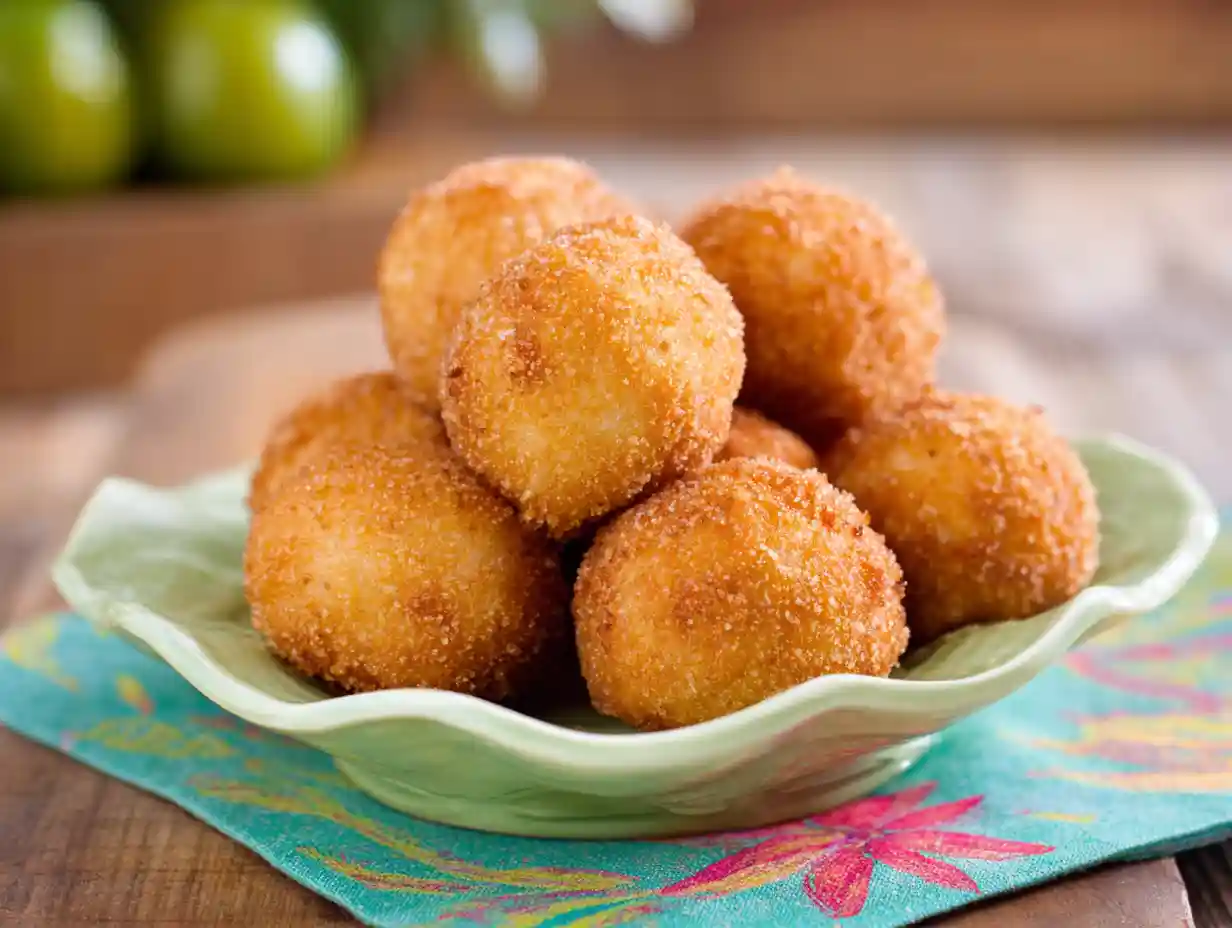
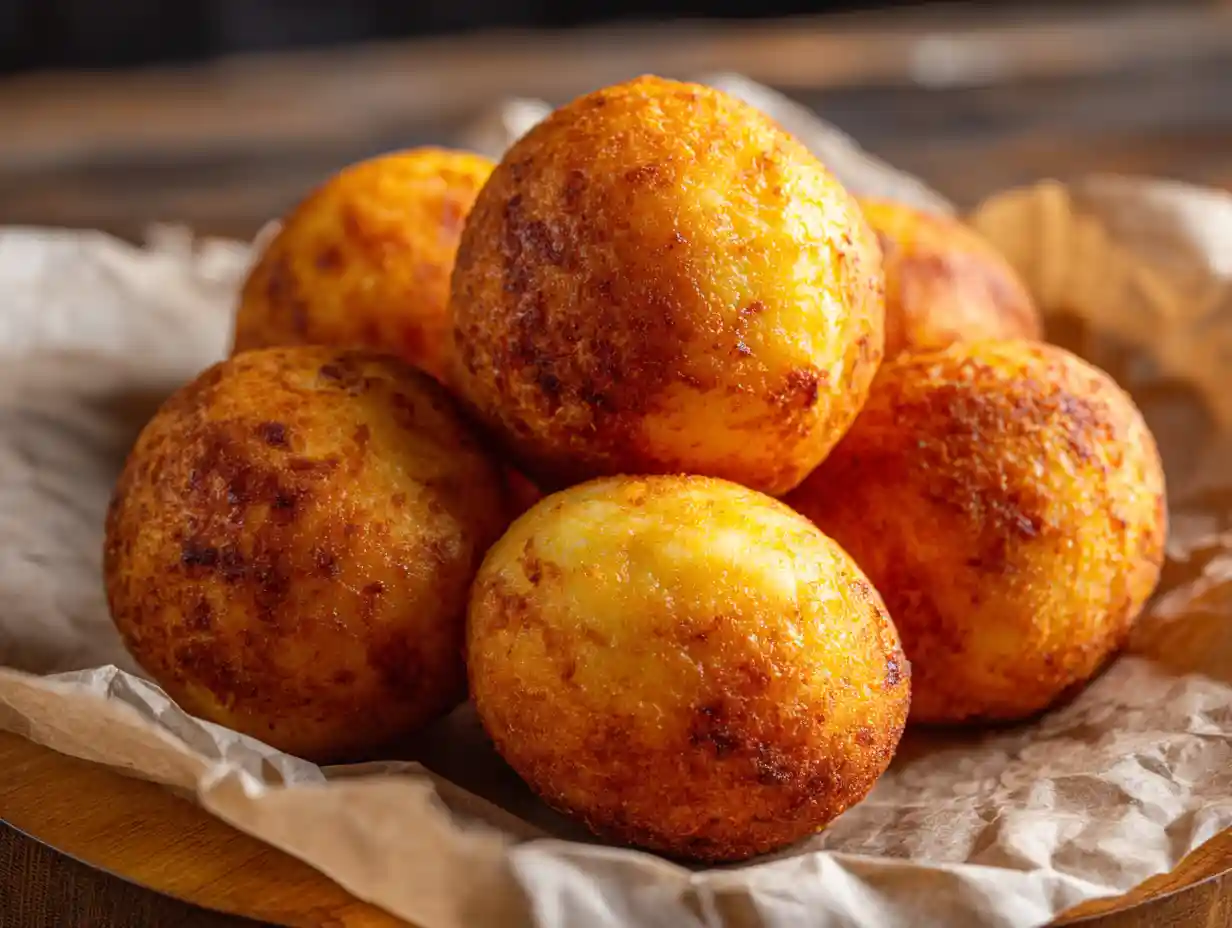
Oh, my friends, I have been so excited to share this recipe with you! There’s something truly magical about the aroma of these cooking, bringing me right back to warm family gatherings. Today, I am taking you on a culinary journey to the heart of Puerto Rico with one of my absolute favorite comfort foods: Puerto Rican Rellenos de Papa.
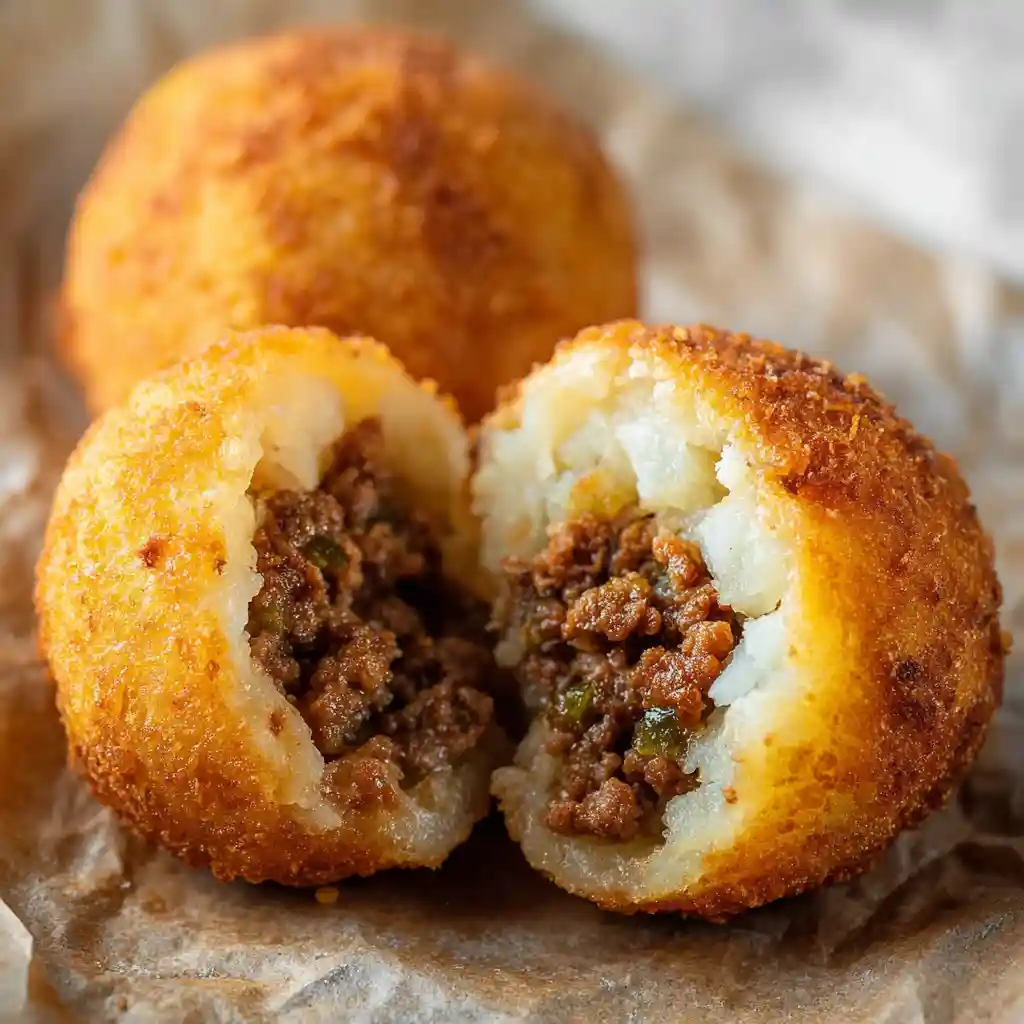
These delightful potato balls, filled with a savory picadillo and fried to golden perfection, are pure bliss. It’s a delicious blend of tender, seasoned potato dough hugging a flavorful meat filling, all wrapped up in a wonderfully crispy exterior. Get ready to create some kitchen magic; this recipe takes approximately 90 minutes of active time, but every moment is worth it.
Table of Contents

Amazing Puerto Rican Rellenos de Papa Recipe
Ingredients
Equipment
Method
- First, I peel my potatoes and cut them into uniformly sized chunks. This ensures they cook evenly. I place the chunks in a large pot and cover them completely with water, then I generously salt the water with about 2 tablespoons. I bring them to a boil and cook until they are completely tender, easily pierced with a fork, which usually takes about 20 minutes.
- Next, I drain the potatoes really well and return them to the hot pot. It’s so important to let any excess water evaporate at this stage; this prevents a gummy dough and ensures your rellenos will crisp up beautifully later. I then mash them thoroughly with 1 tablespoon of cornstarch, the lightly beaten egg, and the butter. I prefer using a potato masher or ricer over a food processor because a food processor can overwork the potatoes, making them gluey. The ideal consistency of the dough is pliable, not sticky, and firm enough to hold its shape easily. The cornstarch, egg, and butter all play vital roles; the cornstarch helps with binding and crispiness, the egg acts as a binder, and the butter adds richness and a smooth texture to the dough.
- To begin, I flour my hands generously with cornstarch. This prevents the potato dough from sticking and makes it much easier to handle. I then flatten about 1/2 cup of the mashed potatoes into a disk in the palm of my hand. Next, I add a heaping tablespoon of the picadillo to the very center of the potato disk.
- Carefully, I bring the edges of the potato up and around the picadillo, making sure the filling is completely enclosed. I seal the edges firmly, then gently roll the potato into a smooth, even ball. This secure seal is so important to prevent the filling from escaping during frying. I repeat this process until all the potato has been used up, making sure to coat my hands in cornstarch each time I start a new relleno.
- I start by heating oil for frying in a deep pot or Dutch oven to approximately 350°F. Maintaining this ideal oil temperature is crucial; if the oil is too cool, the rellenos will absorb too much oil and become greasy, and if it’s too hot, they will brown too quickly on the outside before heating through. I find neutral oils like vegetable oil or canola oil work best for frying.I always fry the rellenos in batches, making sure not to overcrowd the pan. Overcrowding can drop the oil temperature too much, leading to greasy rellenos and uneven cooking. I gently place a few rellenos into the hot oil and fry them for about 5 minutes, turning them as needed with a slotted spoon or spider strainer until they are beautifully golden brown all over. Once fried, I transfer them to a plate lined with paper towels to drain any excess oil. Please remember to exercise caution when working with hot oil; always be mindful of splatters and never leave the pot unattended.
Nutrition
Tried this recipe?
Let us know how it was!Why You’ll Love These Puerto Rican Rellenos de Papa
I truly believe my take on these Rellenos de Papa will become a treasured recipe in your kitchen. I have poured so much heart into perfecting them, ensuring every bite is a burst of authentic flavor and comforting texture. Here’s why I know you will adore them:
- Deeply Flavorful Picadillo: I use a special picadillo that’s rich with spices and aromatics, making every bite of the filling incredibly satisfying.
- Perfectly Seasoned Potato Dough: My potato dough is seasoned just right and has an amazing pliability that makes it easy to work with, yet it crisps beautifully when fried.
- Foolproof Frying Tips: I’ll guide you through the frying process to ensure your rellenos come out golden brown and crispy, never greasy.
- Authentic Taste, Made Accessible: I have broken down each step to make this traditional recipe approachable for every home cook, so you can enjoy a true taste of Puerto Rico.
A Taste of Puerto Rico: Understanding Rellenos de Papa
Puerto Rican Rellenos de Papa are more than just a dish; they are a celebration of flavor and tradition. I often think of them as little golden treasures. You will find them gracing tables at family gatherings, holiday feasts, and lively festivals across the island. They are also a beloved street food, enjoyed hot and fresh from a local vendor.
The appeal lies in their incredible textures and tastes. Imagine biting through a wonderfully crispy, golden-fried shell, revealing a tender, fluffy potato dough. Inside, you discover a savory, spiced picadillo filling that’s rich with flavor. It’s a symphony of comfort and delight in every single bite.
Essential Ingredients
Creating these delightful Puerto Rican Rellenos de Papa starts with gathering the right ingredients. Here’s exactly what you will need to bring this recipe to life in your kitchen.
For the Rellenos de Papa:
- 2 pounds potatoes
- 1 tablespoon cornstarch, plus extra for dusting
- 1 egg, lightly beaten
- 2 tablespoons butter
- Salt
For the Filling:
- 1/2 recipe Puerto Rican Picadillo
For Frying & Serving:
- Oil for frying
- Mayoketchup or mojo de ajo (for dipping)
Equipment You’ll Need
Having the right tools on hand makes all the difference when preparing these delicious rellenos. Here are the essential kitchen items I use to make this recipe a success every time:
- Large Pot: For boiling the potatoes until they are perfectly tender.
- Potato Masher or Ricer: Key for achieving a smooth, lump-free potato dough.
- Large Skillet or Dutch Oven: Ideal for deep frying, ensuring even cooking and consistent oil temperature.
- Slotted Spoon or Spider Strainer: For safely removing the fried rellenos from the hot oil.
- Mixing Bowls: For preparing your potato dough and holding your picadillo filling.
- Measuring Cups and Spoons: For accurate ingredient portions.
- Paper Towels: To drain excess oil from your freshly fried rellenos.
Crafting the Perfect Puerto Rican Picadillo Filling
The heart of my Puerto Rican Rellenos de Papa truly lies in the flavorful picadillo filling. While I am not providing the full recipe for picadillo here, as I use a pre-prepared half recipe, I can tell you that a well-made picadillo is absolutely essential. I always make sure my picadillo is robustly seasoned and has a wonderful balance of savory flavors.
You can customize your picadillo with your favorite ground protein. I often use ground beef, but ground pork or even a combination of both works beautifully. Some cooks also like to add olives or capers for an extra layer of briny flavor. Just remember, the more flavorful your picadillo, the more delicious your rellenos will be!
Preparing the Potato Dough: The Foundation of Flavor
The potato dough is the foundation of these amazing Puerto Rican Rellenos de Papa, and getting it right is crucial for both flavor and texture. I follow these steps precisely to ensure a perfect dough every time.
First, I peel my potatoes and cut them into uniformly sized chunks. This ensures they cook evenly. I place the chunks in a large pot and cover them completely with water, then I generously salt the water with about 2 tablespoons. I bring them to a boil and cook until they are completely tender, easily pierced with a fork, which usually takes about 20 minutes.
Next, I drain the potatoes really well and return them to the hot pot. It’s so important to let any excess water evaporate at this stage; this prevents a gummy dough and ensures your rellenos will crisp up beautifully later.
I then mash them thoroughly with 1 tablespoon of cornstarch, the lightly beaten egg, and the butter. I prefer using a potato masher or ricer over a food processor because a food processor can overwork the potatoes, making them gluey. The ideal consistency of the dough is pliable, not sticky, and firm enough to hold its shape easily. The cornstarch, egg, and butter all play vital roles; the cornstarch helps with binding and crispiness, the egg acts as a binder, and the butter adds richness and a smooth texture to the dough.
For a comprehensive guide on achieving the perfect mashed potato texture, you can refer to resources that detail proper mashing techniques.
Forming and Stuffing Your Rellenos de Papa
This is where the magic really happens, shaping the potato dough around that delicious picadillo filling. I find this step quite therapeutic!
To begin, I flour my hands generously with cornstarch. This prevents the potato dough from sticking and makes it much easier to handle. I then flatten about 1/2 cup of the mashed potatoes into a disk in the palm of my hand. Next, I add a heaping tablespoon of the picadillo to the very center of the potato disk.
Carefully, I bring the edges of the potato up and around the picadillo, making sure the filling is completely enclosed. I seal the edges firmly, then gently roll the potato into a smooth, even ball. This secure seal is so important to prevent the filling from escaping during frying. I repeat this process until all the potato has been used up, making sure to coat my hands in cornstarch each time I start a new relleno.
Frying Best Practices for Golden Perfection
Frying is the final step to achieve that irresistible crispy exterior for your Puerto Rican Rellenos de Papa. I always approach this with a bit of care to ensure they turn out perfectly golden and delicious.
I start by heating oil for frying in a deep pot or Dutch oven to approximately 350°F. Maintaining this ideal oil temperature is crucial; if the oil is too cool, the rellenos will absorb too much oil and become greasy, and if it’s too hot, they will brown too quickly on the outside before heating through. I find neutral oils like vegetable oil or canola oil work best for frying.
I always fry the rellenos in batches, making sure not to overcrowd the pan. Overcrowding can drop the oil temperature too much, leading to greasy rellenos and uneven cooking. I gently place a few rellenos into the hot oil and fry them for about 5 minutes, turning them as needed with a slotted spoon or spider strainer until they are beautifully golden brown all over.
Once fried, I transfer them to a plate lined with paper towels to drain any excess oil. Please remember to exercise caution when working with hot oil; always be mindful of splatters and never leave the pot unattended. For more in-depth information on safe frying practices, consulting culinary safety guidelines is recommended.
Troubleshooting Common Relleno Mistakes
Even experienced cooks can encounter a hiccup or two. Don’t worry, I have some tips for common issues you might face with your Puerto Rican Rellenos de Papa.
If your rellenos are coming out overly oily, the most likely culprit is oil temperature. Make sure your oil is consistently at 350°F. If it’s too low, the rellenos will soak up the oil. Also, always drain them well on paper towels immediately after frying. If your picadillo tastes bland, remember to season it generously as you cook it; a little extra salt, pepper, and your favorite spices can make a huge difference. For uneven cooking, ensure you’re not overcrowding the frying pan, which can lower the oil temperature and lead to some rellenos cooking faster than others.
Fry in small batches and turn them frequently. Finally, if your dough is too sticky or too dry, refer back to the potato prep section. Sticky dough usually means the potatoes weren’t dried enough after mashing; a little extra cornstarch can help. Dry dough might mean they were overcooked or not mashed with enough butter or egg; adding a tiny bit more melted butter can sometimes revive it.
Serving Your Puerto Rican Rellenos de Papa
Once those golden Puerto Rican Rellenos de Papa come out of the fryer, they are absolutely irresistible! I love serving them hot, straight from the kitchen.
While they are fantastic on their own, a dipping sauce truly elevates the experience. My favorite is a classic Mayoketchup, a simple blend that’s a staple in many Puerto Rican households. It adds a creamy, tangy kick that complements the savory rellenos perfectly. Another wonderful option is a vibrant mojo de ajo, a garlic-infused sauce that brings a bright, zesty contrast. Don’t be afraid to offer both for your guests to choose their favorite!
Make-Ahead & Meal Prep Strategies
I am all about making cooking easier, especially for busy weeknights or when entertaining. Good news: you can definitely get a head start on your Puerto Rican Rellenos de Papa!
I often prepare the picadillo filling a day or two in advance. Once it’s cooked and cooled, I store it in an airtight container in the refrigerator. The potato dough can also be prepared ahead of time. After mashing and mixing, I cover it tightly with plastic wrap and refrigerate it. This separation of components streamlines the final assembly and frying process immensely. When I am ready to make the rellenos, I just pull everything out, let the dough warm up slightly on the counter for easier handling, and then proceed with forming and frying. It saves so much time on the day I want to serve them!
Storage, Reheating, and Freezing Instructions
I always make a big batch of Puerto Rican Rellenos de Papa because they are so popular, and it’s great to have leftovers! Here’s how I handle storage and reheating to keep them delicious.
For cooked leftovers, I store them in an airtight container in the refrigerator for up to 3 days. To reheat and maintain that crispy exterior, I prefer using an air fryer or oven rather than a microwave. In an air fryer, I heat them at 350°F (175°C) for 8-10 minutes, or in an oven at 375°F (190°C) for 15-20 minutes, until they are heated through and crisp again.
For freezing, you have options! I often freeze them uncooked. After forming the rellenos, I place them in a single layer on a baking sheet and freeze until solid, about 1-2 hours. Once firm, I transfer them to a freezer-safe bag or container, separating layers with parchment paper, and they will keep for up to 3 months.
To cook from frozen, I simply deep fry them slightly longer, about 7-8 minutes, or until golden brown and heated through, adjusting the temperature slightly lower (around 325-330°F) to ensure they cook evenly without burning. You can also freeze cooked rellenos, following the same initial freezing steps. To reheat cooked-then-frozen rellenos, I bake or air fry them as I would with refrigerated leftovers, adding about 5-10 minutes to the cooking time.
Alternative Cooking Methods: Baking and Air Frying
While deep frying gives these Puerto Rican Rellenos de Papa their signature crispiness, I know many of you might prefer alternative cooking methods. Here are my tips for baking and air frying them!
For baking, after forming your rellenos, I lightly brush them with oil on all sides. I place them on a parchment-lined baking sheet and bake in a preheated oven until they are golden brown and heated through. This method will yield a less crispy exterior than frying, but they will still be wonderfully flavorful.
For air frying, I lightly spray the formed rellenos with cooking spray. I place them in a single layer in the air fryer basket, making sure not to overcrowd it. I air fry until they are golden and crispy on the outside and hot in the center, flipping them halfway through. The texture from air frying is much closer to deep frying, offering a fantastic crisp without as much oil. Always remember that cooking times and temperatures can vary depending on your specific appliance, so I recommend checking them frequently.
Ingredient Substitutions and Variations
I love how versatile recipes can be, and these Puerto Rican Rellenos de Papa are no exception! Here are some ideas for substitutions and variations to help you make this recipe truly your own.
| Ingredient | Substitution/Variation | Notes |
|---|---|---|
| Potatoes | Russet potatoes, Yukon Gold potatoes | I find Russets create a fluffier dough, while Yukon Golds offer a slightly creamier texture. |
| Picadillo Proteins | Ground pork, ground turkey, shredded chicken, or a plant-based ground “meat” | While beef is traditional, I’ve had great success with other proteins. If using plant-based, ensure it’s well-seasoned to match the picadillo flavor profile. |
| Seasonings for dough | Garlic powder, onion powder, a pinch of sazón | I sometimes add a little extra flavor to the potato dough itself, beyond just salt. |
| Picadillo Spices | Adjusting heat with a pinch of cayenne or chili flakes, adding chopped pimento-stuffed olives or capers | Feel free to adjust the spice level in your picadillo. For more depth, I love adding traditional Puerto Rican additions like olives or capers for a tangy, briny contrast. If you’re using a pre-made picadillo, you can always stir in these extras. |
FAQs about Puerto Rican Rellenos de Papa
I get lots of great questions from fellow home cooks, and I want to make sure you feel confident tackling your own Puerto Rican Rellenos de Papa! Here are some common queries I hear:
Can I make the picadillo filling ahead of time?
Absolutely! I often make my picadillo filling a day or two in advance. Just store it in an airtight container in the refrigerator until you are ready to assemble your rellenos.
What’s the best way to ensure the rellenos don’t break apart when frying?
The key is a firm potato dough that isn’t too wet, and a secure seal when forming the balls. Make sure your potatoes are well-drained and mashed properly. Also, don’t overcrowd your frying pan, and maintain a consistent oil temperature of 350°F.
Can I make these vegetarian?
Yes, you definitely can! I suggest using a hearty, flavorful plant-based ground “meat” or a finely diced mushroom and vegetable mixture for the filling, seasoned similarly to traditional picadillo.
How long do the rellenos last in the refrigerator?
Cooked Rellenos de Papa will last for about 3 days in an airtight container in the refrigerator. To reheat, I recommend using an air fryer or oven to restore their crispiness.
Conclusion
I hope you are now feeling inspired and ready to bring the vibrant flavors of Puerto Rico into your home with these incredible Puerto Rican Rellenos de Papa. There’s truly nothing quite like the experience of making these golden, savory delights, from the careful crafting of the potato dough to the satisfying crunch of the first bite. Every time I make them, I am reminded of the warmth of family and the simple joy of sharing good food.
I would love to hear how your rellenos turn out! Please leave a comment below sharing your experience, ask any lingering questions you might have, or better yet, share a photo of your beautiful creations with me. Happy cooking, my friends; I can’t wait to see what you make!
Printable Recipe Card
Want just the essential recipe details without scrolling through the article? Get our printable recipe card with just the ingredients and instructions.